Stir-frying over a roaring flame, tossing glistening vegetables and aromatic garlic, is one of the vital small joys of a residence kitchen. That signature sizzle and smoky flavor - wok hei, as the Cantonese call it - is based on each warmth and the pan itself. Most abode cooks achieve a crossroads in some unspecified time in the future: cast iron wok or carbon metallic? The debate isn’t virtually way of life or aesthetics. It’s about efficiency, maintenance, and the way every textile shapes the food you serve.
Why this topics for domicile cooks
The wok is greater than a vessel. It’s a culinary device, a conduit for high heat and fast stream, and a centerpiece for kinfolk-taste eating. Picking the inaccurate wok can mean frustration - heavy lifting, nutrition sticking, asymmetric heat. Choose properly, and you’ll breeze through stir-fries, pan-fried dumplings, and even deep-fried treats. The cast iron wok vs carbon metallic determination is set matching your cooking style and kitchen truth.
The nature of every material
Both solid iron and carbon metallic are alloys, quite often iron with a small proportion of carbon. The nuances lie in how they’re made.
Cast iron woks are traditionally thick and heavy, made by means of pouring molten iron into molds. This presents them a rustic, very nearly indestructible nice. They maintain warmth for a very long time but take longer to heat up. In China, forged iron woks primarily have thinner walls than Western skillets - but even then, the heft is unmistakable.
Carbon steel woks jump as thin sheets pressed and hammered into shape. They are light-weight (sometimes 0.5 or less the burden of cast iron), and conductive, responding directly to differences in burner depth. This is why pro kitchens essentially forever reach for carbon metal: speed and agility rely if you’re firing diverse dishes a night.
How each wok feels in use
Imagine reaching to your wok to toss a medley of pea shoots, red meat belly, and chilies over a excessive flame.
With a solid iron wok, you’ll realize the solidity instantly. The pan calls for respect - it’s no longer one thing you flick approximately one-handed except you’ve been doing this for years or have forearms like a blacksmith. But once hot, it continues an excellent temperature across its surface. That’s a boon for deep frying or gradual braises; less so in the event you would like to tilt and swirl the pan mid-stir fry.
A carbon metallic wok feels nimble by comparability. Even in better sizes, you'll be able to lift it off the burner and carry out that basic chef’s wrist-flick to tumble noodles or greens. It heats up fast - 5 mins on a strong flame brings it to searing temperature - but loses heat quick in the event you overload it with bloodless foods.
Seasoning: Not just an afterthought
Both types require seasoning - a job wherein oil is baked onto the metallic to create a herbal nonstick surface and maintain opposed to rust. The task is comparable but no longer an identical.
Cast iron’s rougher floor texture facilitates seasoning layer up rapidly. After simply two or three rounds of oiling and baking, you’ll realize a dark patina forming. That acknowledged, its porousness means it could take up flavors more deeply. If you ever scramble eggs after stir-frying fish, don’t be shocked if a few residual aroma lingers.
Carbon metal starts out silver-gray and slicker. It takes more persistence to accumulate a bulletproof nonstick coating - infrequently several months of customary cooking ahead of even eggs slide off effortlessly. But as soon as standard, carbon metallic’s seasoning can was glassy easy.
Realistically, equally components need care: dry absolutely after washing, circumvent soap if workable (a brief rinse is on a regular basis enough), and re-oil calmly until now storing.
Heat control and cooking results
The heart of wok cookery is extreme heat: wok hei in basic terms develops whilst delicacies meets temperatures above four hundred°F (204°C). This is in which the two resources diverge sharply.
Cast iron excels at keeping warmness. Drop bloodless protein into a sizzling cast iron wok and it received’t cool a great deal - important for searing rooster thighs or beef slices with out crowding topics. However, it also takes longer to reply once you desire to dial down the temperature all of sudden.
Carbon steel is responsive: crank up the fuel and it follows; flip it down and it cools without delay. That makes it more advantageous acceptable for mild maneuvers like pausing among batches or switching from top-heat stir-frying to tender simmering in one consultation.
For so much house gas burners below 20,000 BTUs (such a lot are between 8,000-15,000), each parts can work good sufficient if preheated precise. On electrical stoves or induction cooktops, forged iron’s flat bottom can also sit bigger on the component; circular-bottomed carbon metal woks regularly desire unique earrings or adapters.
Everyday maintenance: What’s sensible?
Owning a wok isn’t set-and-overlook. Both constituents call for occasional recognition past seasoning.
Cast iron woks can advance rust spots if unnoticed in a single day or left rainy after washing. A little salt scrub ordinarilly fixes minor blemishes, however critical rust can even require stripping down the seasoning fully and starting over - tedious work preferrred steer clear off by using drying straight away and oiling later on.
Carbon steel has same vulnerabilities yet is a bit much less forgiving attributable to its thinness; rust can eat using turbo if left unchecked. However, on account that they may be lighter and smaller (regularly as skinny as 1-2mm), cleansing feels more easy every day.
An anecdote from my very own kitchen: I as soon as left either sorts out overnight after a celebration - one damp solid iron wok grew orange freckles alongside its rim; the opposite (a professional carbon metal) developed faint streaks I wiped away with vinegar and re-pro straight away at the range.
Durability over years of use
A good-made forged iron wok can last generations with minor care - I’ve cooked on person who belonged to my grandmother, its bottom worn soft by way of many years of flames but still dependableremember as ever. Dropping one may possibly chip or crack it (notwithstanding this is infrequent unless mishandled) by way of its brittleness in contrast to metal.
Carbon metal woks https://telegra.ph/Longevity-and-Care-Cast-Iron-Wok-vs-Carbon-Steel-Wok-11-11 hardly ever holiday outright however can warp if overheated even as empty or uncovered to unexpected temperature swings (believe rinsing a flaming-scorching wok below bloodless faucet water). Their handles would possibly loosen over the years seeing that they’re riveted as opposed to forged as one piece; tightening them is easy with undemanding gear.

Neither material fares good inside the dishwasher - either will lose their seasoning fullyyt and might rust inside hours.
Cooking versatility: Beyond stir-fries
Woks aren’t restricted to chow mein or kung pao fowl. Their shape makes them terrific for deep frying (use much less oil than with straight-walled pots), steaming (with bamboo racks), smoking (with tea leaves or wooden chips at the base), and even shallow pan-roasting.
Cast iron shines for tasks requiring regular heat: frying tofu cubes until crisp for the duration of or simmering red-cooked beef abdominal unless meltingly gentle.
Carbon metallic comes into its possess when quick maneuvers are wanted: tossing veggies shortly over high warm or cooking fragile seafood in which overcooking potential disaster.
If you savour making crepes or flatbreads every now and then, pro carbon metal can double as an impromptu griddle; cast iron works too however might be more difficult to move for extensive sweeps or flips by means of its weight.
Practical concerns: Size, shape, handles
Classic woks are circular-bottomed - applicable for open flames but finicky on flat stovetops standard out of doors Asia. Flat-bottom items exist for either material; cast iron variants generally tend to have thicker bases that hang stable on induction stoves or glass cooktops.
Handles are available in two kinds: one lengthy “pao” cope with plus a small loop contrary (Northern Chinese model), or twin loops (“ear” handles) usual in Southern designs. Cast iron woks on the whole have loop handles when you consider that complete-size handles would be unwieldy at their weight; carbon metallic supplies extra selection seeing that lighter mass lets in for single-exceeded tossing.
For most households (feeding 4), a 14-inch diameter works neatly; smaller families may additionally get with the aid of with 12-inch versions yet chance crowding nutrition throughout the time of stir-fries - which will end in steaming rather than searing.
Edge cases: Who may want to decide upon which?
If you have restrained top frame force or wrist disorders, carbon metallic delivers a great deal less demanding coping with every day. For those that love website hosting sizzling pot events or deep-frying batches of spring rolls, cast iron’s stability may win out even with its heft.
Apartment dwellers with finicky smoke detectors would relish carbon metal’s immediate cooling - letting you whip up late-night food with no lingering warm putting off alarms an hour later.
On induction stoves, verify organization instructions conscientiously: no longer all carbon metallic woks sit down flush adequate for proper heating except designed peculiarly for flat tops (some brands now offer hybrid bases).
Cost comparisons
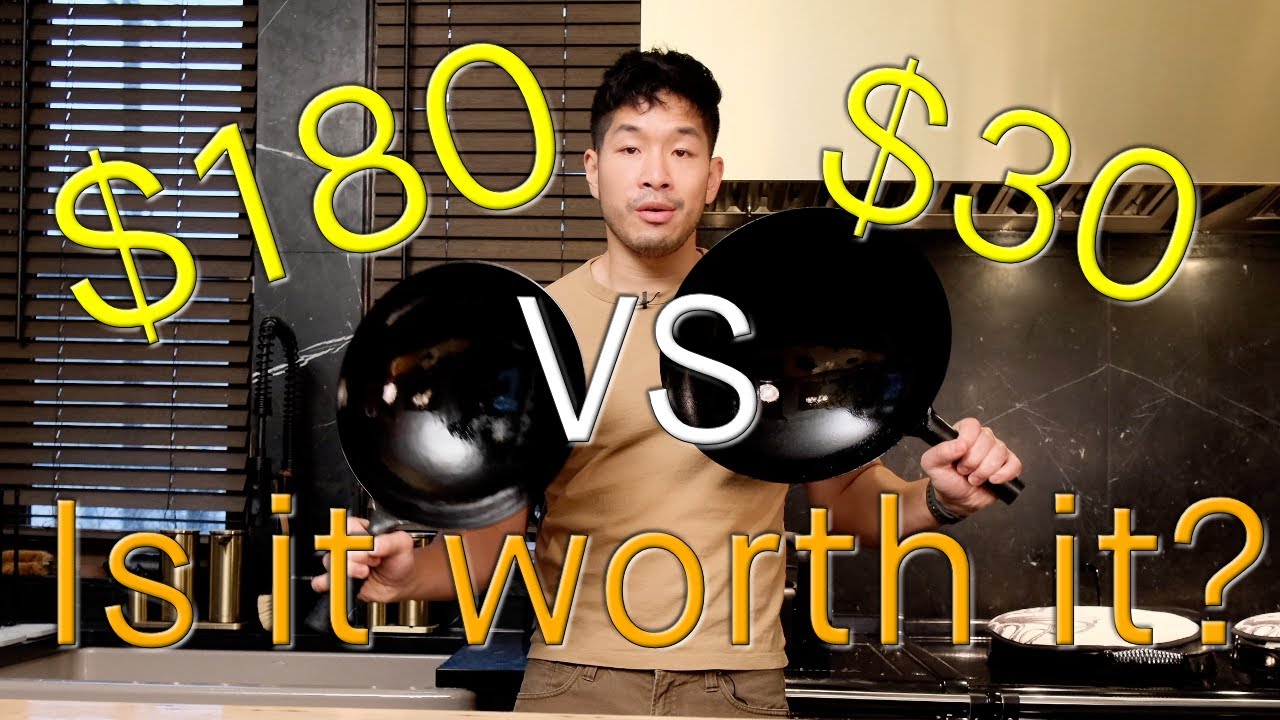
In maximum markets, elementary hand-hammered carbon metal woks price among $25-$60 based on size and branding; upper-end units with smooth finishes can run $80-$one hundred twenty but offer same performance at their core.
Cast iron woks fluctuate greater extensively: imported Chinese units also can run $40-$eighty even as top class Western manufacturers (like Staub or Le Creuset) fetch $a hundred and fifty-$300 as a result of teeth coatings or fashion designer thrives.
For pure perform - that may be, stir-frying at dwelling - there’s no desire to overspend until aesthetics remember commonly or you’re in quest of heirloom-level sturdiness with minimum repairs (enameled cast iron not at all wants seasoning).
Side-by using-edge summary
Here’s a quick assessment for readability:
| Feature | Cast Iron Wok | Carbon Steel Wok | |------------------------|------------------------------|------------------------------| | Weight | Heavy (usually 6-10 lbs) | Light (2-4 lbs widespread) | | Heat Retention | Excellent | Good but cools turbo | | Responsiveness | Slow | Fast | | Ease of Tossing | Difficult | Easy | | Seasoning | Builds shortly | Takes time | | Rust Resistance | Moderate (wants care) | Needs normal concentration | | Durability | High (if no longer dropped) | High (can warp instead) | | Cost | Moderate-prime | Low-reasonable | | Versatility | Best for regular warmth duties | Best for excessive-warmth agility |
Choosing what works for your kitchen
Let’s distill this down into realistic preparation:
If your range has tons of power and also you appreciate deep frying or braising more often than not, cast iron offers unbeatable heat retention. If agility subjects - swift-hearth stir-fries, fixed tossing, minimal wrist stress - carbon metallic shines. For electric or induction burners where flat balance is needed, look for flat-bottomed versions no matter drapery. If repairs worries you, enameled cast iron calls for less fuss since it doesn’t rust (but expenditures some distance extra). For people who fee culture and passing down cookware by using generations, both can suit the invoice if cared for correctly.Tips from proper-global experience
Seasoning neatly is half the wrestle with both genre: practice very skinny layers of excessive-smoke level oil (flaxseed works properly), heat till smoking lightly, cool completely among coats. Don’t skimp on air flow throughout the time of initial seasoning; open windows if it is easy to as fumes may be extreme.
Don’t count on perfection in a single day with carbon metallic - stubborn sticking in the beginning is primary but fades after a few weeks of use. A splash of water adopted through vigorous boiling can loosen caught-on bits with no resorting to harsh scrubbing.
If you do come across rust spots on either kind, make a paste from baking soda and water or scrub frivolously with high quality steel wool prior to re-seasoning that facet merely; there’s rarely want to strip all the things returned unless corrosion is intense.
Final thoughts
The “solid iron wok vs carbon metal” debate isn’t about perfect or incorrect but approximately looking what matches your pace of existence, kitchen setup, and willingness to sustain your tools over the years. Having cooked lots of food on equally kinds throughout diverse stoves and kitchens sizable and small, I uncover myself reaching for carbon metal once I crave agility and speed on weeknights - yet I cherish my antique cast iron wok when I’m simmering purple-cooked beef on lazy weekends with loved ones accrued round.
Each brings whatever special to the desk: solid iron’s unyielding warmth; carbon metallic’s animated responsiveness. Given real care and honest use, equally will serve up a number of bowls of aromatic meals for years on end - smoky greens sooner or later, crispy dumplings the subsequent, each bearing the sophisticated signature handiest your arms can impart over the years.